You find two solar shades with the exact same measurements, but one costs noticeably more than the other. They look similar, both promise to reduce sunlight, and both seem suitable for your windows. So, what’s causing the price difference?
The answer usually goes beyond size. Fabric quality, openness factor, UV protection, operating mechanisms, and hardware can all influence how much a solar shade costs. Some differences affect appearance, while others influence performance and everyday convenience.
At The Blind Man Inc., we help homeowners in Fort Mill, SC, compare solar shades based on what matters most for their homes. Here’s how to understand solar shade price differences before choosing which option is worth your money.
Quick Answer: Why Can Same-Size Solar Shades Cost Different Amounts?
Two solar shades with identical dimensions can have different prices because of fabric quality, openness factor, UV and glare performance, operating systems, and hardware construction. Premium fabrics, motorized controls, decorative fascias, and specialty features may increase the cost. Comparing product specifications, installation services, and warranty coverage helps determine whether the higher price provides meaningful value.
How Fabric Grade Affects Solar Shade Pricing
The fabric is one of the biggest factors influencing solar shade prices.
Although two shades may look similar from a distance, their materials can have different construction methods, durability characteristics, and performance ratings.
Basic Solar Screen Fabrics
Standard solar shade fabrics are designed to filter sunlight while maintaining some visibility through the window.
Many use woven synthetic fibers or coated yarns that provide a balance of light control and durability.
These fabrics are often suitable for living rooms, home offices, and other spaces where homeowners want to reduce sunlight without completely blocking their outdoor views.
Basic fabrics may cost less because they use commonly available materials and manufacturing processes.
Premium Solar Screen Fabrics
Higher-priced fabrics may offer additional features, including:
- More specialized yarn construction
- Improved dimensional stability
- Decorative textures or woven patterns
- Manufacturer-tested light and solar performance
- Specialty coatings or material compositions
- Additional certifications or performance documentation
However, a premium fabric isn’t automatically better for every room.
A standard solar screen may provide the light control you need without the additional expense.
Fabric Durability and Construction
Fabric quality can also influence how well a shade maintains its appearance over time.
Some fabrics are designed to resist stretching, curling, or changes in shape under normal operating conditions.
Others have specialized construction intended for larger windows or demanding environments.
When comparing two products, ask about their material composition, care instructions, and warranty coverage.
A higher price may reflect additional construction features, but those features should be relevant to how you’ll use the shade.
What Is Openness Factor and Why Does It Matter?
Openness factor describes the percentage of open space in a solar shade fabric’s weave.
It influences how much direct light can pass through the material and how clearly you can see outside.
Common openness factors include 1%, 3%, 5%, and 10%.
Comparing Common Openness Factors
| Openness factor | Typical characteristics |
| 1% | Tighter weave, reduced direct light, more limited outside visibility |
| 3% | Stronger light control with some outward visibility |
| 5% | Balance between filtered sunlight and outdoor views |
| 10% | More open weave, greater visibility, and more incoming direct light |
These are general characteristics. Actual performance also depends on the fabric’s color, construction, and technical specifications.
Does a Lower Openness Factor Cost More?
Not necessarily.
A 1% openness fabric isn’t automatically more expensive than a 5% fabric.
Pricing depends on the manufacturer, material collection, weave, and other product features.
Some specialty fabrics with particular openness ratings may carry higher prices because of their construction or performance characteristics.
Choosing the Right Openness Factor
Consider what you want the shade to accomplish.
For example, a Fort Mill homeowner with a west-facing living room may prefer a tighter weave to manage intense afternoon sunlight.
Someone with a large window overlooking a backyard may prefer a more open fabric that preserves the view.
Remember that solar shades generally don’t provide reliable nighttime privacy when indoor lights are on. If privacy after dark is important, consider adding another window treatment or selecting a different shade system.
How UV Protection and Glare Control Affect Value
Solar shades are often selected to reduce harsh sunlight and help protect interior furnishings.
However, not all solar fabrics provide the same level of protection.
UV Protection
Ultraviolet radiation contributes to fading and deterioration of certain furniture, flooring, artwork, and interior finishes.
Solar shade fabrics can reduce the amount of UV radiation entering a room.
Some manufacturers provide specific UV transmission or blockage ratings for their fabrics.
When comparing quotes, look for those ratings rather than assuming every solar shade provides identical protection.
Also, remember that fabric performance doesn’t account for every possible light gap around the installed shade.
Glare Reduction
Glare can make it uncomfortable to watch television, work on a computer, or sit near a sunny window.
Solar shades help manage incoming light, but their effectiveness depends on more than openness factor.
Fabric color and visible light transmittance also matter.
A shade designed for stronger glare reduction may be valuable in a home office where direct sunlight frequently affects computer screens.
Solar Heat Control
Some solar fabrics can also help reduce solar heat entering the room.
However, the effectiveness varies with fabric reflectivity, solar transmission, window glass, and installation conditions.
A more expensive solar shade shouldn’t be assumed to produce greater energy savings without reviewing its performance specifications.
The key is to compare measurable performance, not just marketing descriptions.
How Color and Fabric Construction Can Change Performance
Color is more than a decorative choice when selecting solar shades.
It can influence glare, outdoor visibility, and how the fabric interacts with sunlight.
Dark Solar Shade Fabrics
Dark fabrics often provide better outward visibility and glare control than lighter fabrics with comparable weave characteristics.
They absorb more light, which can make the outdoor view appear clearer.
However, darker fabrics may also absorb more solar heat.
Light Solar Shade Fabrics
Light-colored fabrics generally reflect more solar radiation.
This can be useful when reducing heat gain is a priority.
However, certain light fabrics can create a brighter appearance at the window and may provide less comfortable outward visibility.
Dual-Sided Solar Fabrics
Some premium solar fabrics have different colors or finishes on each side.
For example, one side may be designed to reflect sunlight while the other supports better glare control and outdoor visibility.
These specialized fabrics may cost more because of their construction.
Does Fabric Color Affect Price?
Standard colors within the same collection may have identical prices.
However, specialty colors, textures, or dual-sided constructions can involve additional costs.
Before paying more for a particular fabric, compare samples in the room where the shades will be installed.
Seeing how the material performs in your actual lighting conditions is often more useful than choosing from a photograph.
Manual vs. Motorized Controls
The operating system can create a significant price difference between two otherwise similar solar shades.
Manual Solar Shades
Manual solar shades use a nonmotorized operating mechanism.
Depending on the product, they may feature cordless operation or another manufacturer-approved control system.
Manual shades generally cost less than comparable motorized options because they don’t require motors, electronic controls, or electrical power.
They’re often practical for windows that are easy to reach.
Motorized Solar Shades
Motorized solar shades allow you to raise and lower compatible treatments using remote controls, wall switches, or connected automation systems.
They can be especially helpful for tall windows or rooms with several shades.
Motorization may introduce additional costs for:
- Motor components
- Battery packs or electrical power supplies
- Remote controls
- Compatible smart-home equipment
- Programming and setup
- Specialized installation requirements
Is Motorization Worth Paying More For?
It depends on how you use your windows.
For a frequently adjusted shade above a tall stairwell, motorization may provide meaningful convenience.
For a small kitchen window that’s easy to reach, a manual system may be perfectly adequate.
At The Blind Man Inc., we offer motorized solar shade options and can help you compare them with manual alternatives.
How Hardware and Roller Systems Affect Cost
The fabric may receive most of the attention, but hardware plays an important role in shade performance.
Two solar shades with identical fabric dimensions can use very different supporting components.
Roller Tube Construction
The roller tube supports the fabric as the shade moves.
Larger or heavier shades may require stronger tubes to maintain stability and reduce unwanted bending.
Upgraded tube construction can increase the price.
Brackets and Mounting Hardware
Mounting brackets must support the shade securely.
Different systems use different hardware, and certain installations may require additional components.
Operating Mechanisms
Manual shades may use different lift mechanisms, each with its own design and operating characteristics.
Motorized shades require compatible drive systems.
Better-equipped hardware systems may have higher manufacturing costs, but the components should be appropriate for the shade’s size and intended use.
Why Hardware Quality Matters
A lower-priced shade may be suitable for a standard window.
However, when comparing products for a large picture window, it’s worth asking whether the roller system can support the fabric properly.
Choosing appropriate hardware helps support smooth operation and reduces the likelihood of avoidable installation problems.
Why Custom Finishes and Fascias May Increase Price
Solar shades can have different appearances even when their fabric and dimensions are similar.
Decorative hardware can affect both the finished look and the quote.
Exposed Roller Systems
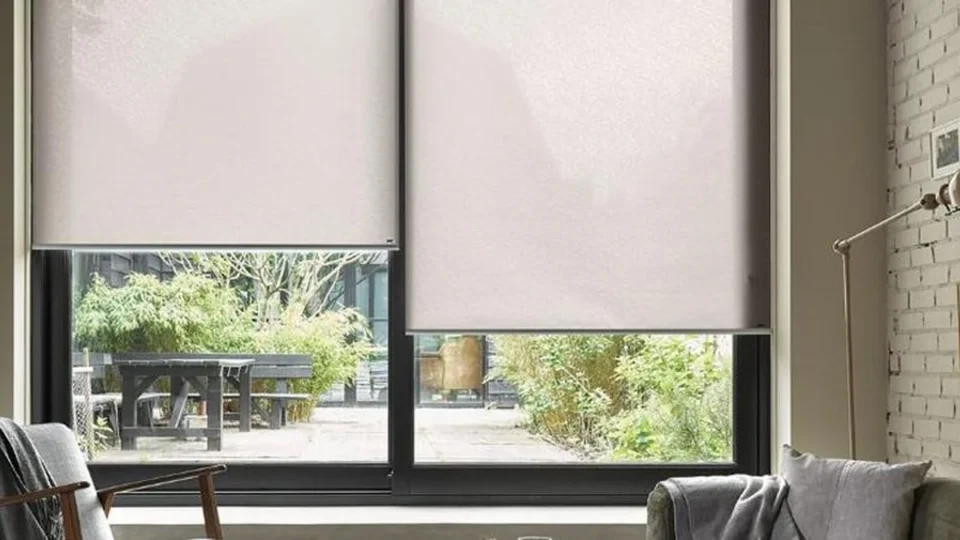
An exposed roller shade has a visible roller tube and mounting components.
This configuration can provide a simple appearance and may involve fewer decorative accessories.
Fascias
A fascia is a covering that conceals the roller tube and operating components.
It creates a cleaner, more finished appearance at the top of the window.
Depending on the product, fascia options may involve additional materials and installation considerations.
Cassettes
A cassette encloses the roller mechanism within a housing.
Some homeowners prefer this appearance because it conceals the rolled-up fabric and operating components.
Cassette systems may cost more than basic exposed-roller designs.
Custom Colors and Finishes
Matching hardware finishes to your interior trim, window frames, or existing decor may also affect pricing.
Some colors are included as standard options, while specialty finishes may require an upgrade.
These details can improve appearance, but they’re not essential for every window.
If you’re trying to control costs, a standard finish with suitable fabric and hardware may offer the best value.
What Installation and Measurement Add to the Quote
Even if two solar shades have identical dimensions, their installed prices may differ.
That can happen because companies include different services or use different installation methods.
Professional Measurements
Accurate measurements are important for solar shades, especially with inside-mounted configurations.
The installer needs to account for window width, height, mounting depth, and surrounding hardware.
For roller shades, the fabric itself may be narrower than the overall bracket-to-bracket width.
Understanding that difference can prevent unexpected light gaps or fit problems.
Installation Requirements
Installation complexity depends on the window and selected product.
Factors that may affect costs include:
- High or difficult-to-reach windows
- Large or heavy shade assemblies
- Unusual mounting surfaces
- Multiple shades installed together
- Motorized setup or electrical requirements
- Custom fascias or cassette systems
What’s Included in the Quote?
Some suppliers price the shade separately from measuring and installation.
Others include those services in the total.
At The Blind Man Inc., we advertise free installation with qualifying purchases. Be sure to confirm the current offer and what’s included in your specific estimate.
When comparing quotes, consider the complete installed price rather than focusing only on the shade itself.
How to Compare Two Solar Shade Quotes Fairly
If you’ve received two quotes for the same window, don’t assume the lower price is automatically the better deal.
Start by checking whether the products actually have comparable specifications.
Use this checklist before deciding.
| What to compare | Questions to ask |
| Fabric | Are both quotes for the same material or comparable fabric grade? |
| Openness factor | Do both fabrics have the same openness percentage? |
| UV protection | What UV transmission or blockage ratings are documented? |
| Glare performance | Are visible light transmittance specifications available? |
| Color and weave | Are the fabric colors and constructions comparable? |
| Operating system | Are both manual, or does one include motorization? |
| Hardware | Do they use comparable tubes, brackets, and lift systems? |
| Finishes | Is a fascia or cassette included? |
| Installation | Are measurements, mounting, and programming included? |
| Warranty | What components and services are covered? |
Look Beyond the Total Price
Suppose two solar shades are quoted for the same living room window.
One includes a standard fabric, manual operation, and exposed roller hardware.
The other includes a specialty fabric, motorized controls, and a decorative cassette.
Even though both fit the same window, they’re not equivalent products.
The higher-priced shade may provide features you value. However, if you don’t need motorization or decorative hardware, the less expensive option may be more practical.
Match Performance to the Room
Before choosing, identify your main priority.
Is it reducing glare on a television? Preserving a backyard view? Limiting UV exposure on furnishings? Or making hard-to-reach windows easier to operate?
Ask suppliers to explain how each proposed shade meets those goals.
That makes it easier to decide whether an upgrade is worth the additional expense.
Solar Shade Consultations in Fort Mill
If you’re comparing solar shades for your home in Fort Mill, SC, product specifications can be difficult to evaluate without seeing the fabrics in person.
At The Blind Man Inc., we help homeowners throughout Fort Mill and surrounding communities explore custom window treatments that balance comfort, appearance, and budget.
We offer custom solar shades in different fabrics and styles, including available motorized options.
Our mobile showroom allows you to compare product samples in your own home, where you can see how colors and textures work with your interior design.
Compare Solar Shade Options With Our Team
During your consultation, we can help you review:
- Solar fabric materials and colors
- Openness factors and light-control preferences
- Glare and UV protection considerations
- Manual and motorized operating options
- Roller hardware and decorative finishes
- Window measurements and installation requirements
Whether you’re covering a sunny living room, a home office, or several windows throughout your home, we can help you compare options without paying for features you don’t need.
Learn more about our custom solar shades and motorized window treatments.
Ready to compare solar shades for your Fort Mill home?
Contact The Blind Man Inc. or call 704-888-2770 to schedule a free in-home consultation and request an estimate.
We’ll help you review the available products, understand the differences, and choose solar shades suited to your windows and budget.
FAQs About Solar Shade Pricing
Why do solar shades with the same dimensions have different prices?
Solar shade prices depend on more than size. Fabric construction, openness factor, UV and glare performance, controls, roller hardware, decorative finishes, and installation requirements can all affect the quote.
Does a lower openness factor make solar shades more expensive?
Not necessarily. Openness factor describes the percentage of open space in the fabric’s weave, but it doesn’t determine price by itself. Material quality, manufacturing methods, and product features also influence cost.
Are premium solar shade fabrics worth the extra money?
They can be if their additional features meet your needs. For example, a fabric with documented glare performance or a specialized construction may provide value in a sunny room. However, a standard fabric may work just as well for a less demanding window.
Do darker solar shades cost more than lighter ones?
Not always. Standard colors within the same fabric collection may have the same price. Specialty finishes, textures, or dual-sided materials may cost more regardless of color.
Do expensive solar shades block more UV rays?
Not necessarily. UV protection depends on the fabric’s actual performance, not simply its price. Compare manufacturer-provided UV transmission or blockage ratings to determine which shade offers suitable protection.
Are motorized solar shades more expensive than manual shades?
Generally, yes. Motorized shades include additional components such as motors, power supplies, and controls. They may also require programming or specialized installation.
Are custom solar shades more expensive than ready-made shades?
Custom solar shades often cost more because they’re manufactured for specific window dimensions and may include additional fabric, hardware, or control choices. However, customization can be worthwhile when standard products don’t fit or meet your needs.
Do solar shades provide privacy at night?
Solar shades generally don’t guarantee nighttime privacy. When indoor lights are brighter than the outside environment, people may be able to see through the fabric. If nighttime privacy is important, consider pairing solar shades with a separate privacy or blackout treatment.
Does professional installation affect solar shade pricing?
It can. Some companies charge separately for measuring and installation, while others include those services with qualifying purchases. Compare the complete installed price to understand the actual cost.
How can I get an accurate solar shade quote in Fort Mill?
A professional in-home consultation allows your windows to be measured and your preferred fabric, openness factor, controls, and finishes to be reviewed. Contact The Blind Man Inc. to compare available options and request an estimate based on your windows.
Share this article
Latest articles
November 20, 2026
November 20, 2026