
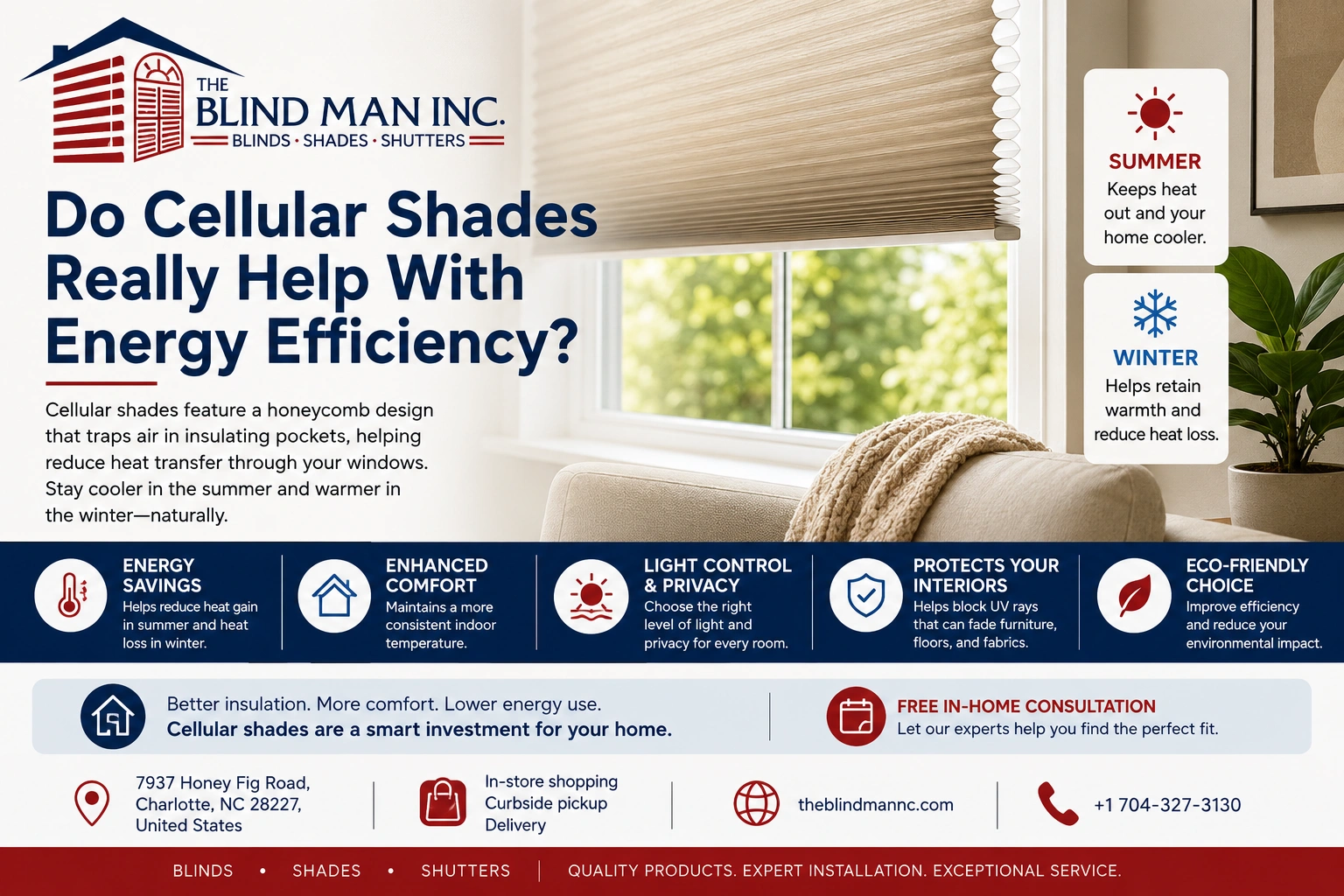
Windows can make a home feel bright and welcoming, but they can also become one of the biggest sources of unwanted heat gain and heat loss. During summer, sunlight streaming through uncovered windows can make rooms feel warmer than the rest of the house. In colder months, drafts and temperature transfer around windows can make indoor spaces less comfortable.
Because of this, many homeowners start looking for ways to improve indoor comfort without relying entirely on heating and cooling systems.
One option that often comes up in these conversations is cellular shades. Known for their honeycomb-style design, these shades are built differently from many traditional window coverings. Their structure is designed to create an insulating barrier between the window and the room, helping reduce heat transfer throughout the year.
So, do cellular shades actually help with energy efficiency? In many situations, yes. They can contribute to a more comfortable indoor environment and may help reduce strain on HVAC systems when used correctly. Understanding how they work and what affects their performance can help homeowners decide whether they are the right fit for their space.
How Cellular Shades Help Insulate Windows
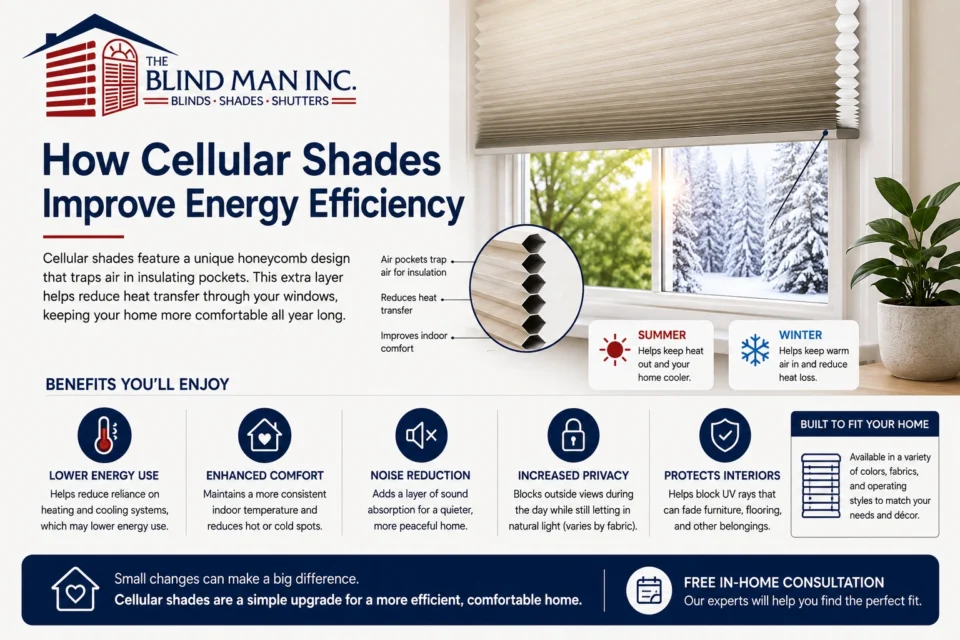
Cellular shades are designed with pockets, or “cells,” that resemble a honeycomb shape when viewed from the side. These pockets trap air inside the shade, creating a layer of insulation between the window glass and the indoor living space.
Air itself can act as an insulator. By trapping air within the cells, cellular shades help slow the movement of heat through windows. In the summer, they can help reduce the amount of outdoor heat entering the room. In the winter, they may help limit indoor warmth from escaping through the glass.
The effectiveness of cellular shades depends on several factors, including:
- The size and number of cells
- Single-cell versus double-cell construction
- Fabric thickness
- How closely the shade fits the window
- Window orientation and sun exposure
A tightly fitted shade typically performs better because it limits gaps where air can move freely around the edges. Some homeowners also choose top-down or bottom-up configurations to balance natural light with insulation benefits.
Another important consideration is fabric opacity. Light-filtering fabrics allow more sunlight to pass through, while blackout fabrics reduce light transfer more significantly. Depending on the room and climate, either option may support indoor comfort differently.
Many homeowners appreciate that cellular shades combine insulation benefits with a clean, modern appearance.
Where Cellular Shades Make the Biggest Difference
Cellular shades can be beneficial in many homes, but they tend to have the greatest impact in areas with strong sunlight exposure or noticeable temperature fluctuations near windows.
South-facing and west-facing windows often receive more direct sunlight during the day. Rooms with large uncovered windows may become warmer in summer afternoons, especially in regions with high temperatures. Installing cellular shades in these spaces can help reduce glare and limit solar heat entering the room.
During colder seasons, homeowners sometimes notice drafts or chilly spots near windows. Older windows, single-pane glass, or large window openings can allow more temperature transfer. Cellular shades may help create a more stable indoor environment by adding another layer between the glass and the room.
Certain rooms may benefit more than others, including:
- Bedrooms that receive strong morning sunlight
- Living rooms with large windows
- Home offices where glare affects screens
- Bonus rooms with temperature inconsistencies
- Sunrooms exposed to year-round sunlight
Climate also plays a role. Homes in colder regions may focus more on retaining indoor heat, while warmer climates may prioritize reducing solar heat gain. In areas with seasonal temperature swings, cellular shades can offer year-round versatility.
It is important to keep expectations realistic. Cellular shades are not a replacement for properly insulated walls, updated windows, or efficient HVAC systems. Instead, they work as one part of a broader home comfort strategy.
Light Control, Privacy, and Indoor Comfort
One reason homeowners are drawn to cellular shades is that they provide more than just insulation benefits. They also offer flexibility in light control and privacy.
Natural light can improve the look and feel of a room, but too much sunlight may create glare, increase indoor temperatures, or fade furniture and flooring over time. Cellular shades help soften incoming light while still allowing homeowners to maintain privacy.
Different fabric types support different goals.
Light-Filtering Cellular Shades
These fabrics diffuse sunlight gently while still allowing daylight into the room. They are commonly used in living areas, kitchens, and dining spaces where homeowners want brightness without harsh glare.
Room-Darkening or Blackout Cellular Shades
These fabrics reduce incoming light more significantly and are often chosen for bedrooms, media rooms, or nurseries. In addition to light control, darker fabrics may help improve insulation performance by limiting solar heat transfer more effectively.
Privacy can also contribute indirectly to comfort. Homeowners often want window coverings that allow them to feel comfortable inside their homes without needing to keep blinds fully closed throughout the day.
Some cellular shade designs also allow flexible positioning, such as top-down and bottom-up operation. This feature lets homeowners bring in natural light from the top while maintaining privacy below.
Because indoor comfort affects how often homeowners adjust thermostats, better control over sunlight and heat may help reduce unnecessary heating or cooling use over time.
Cellular Shades Compared to Other Window Treatments
Many types of window treatments can improve comfort and appearance, but they differ in how they manage insulation and energy efficiency.
Cellular Shades
Cellular shades are specifically designed with insulating air pockets. Their honeycomb structure is one of the main reasons they are commonly associated with energy-efficiency discussions.
Roller Shades
Roller shades offer a streamlined appearance and can reduce glare and sunlight exposure. However, they generally sit flatter against the window and do not contain insulating air cells.
Wood or Faux Wood Blinds
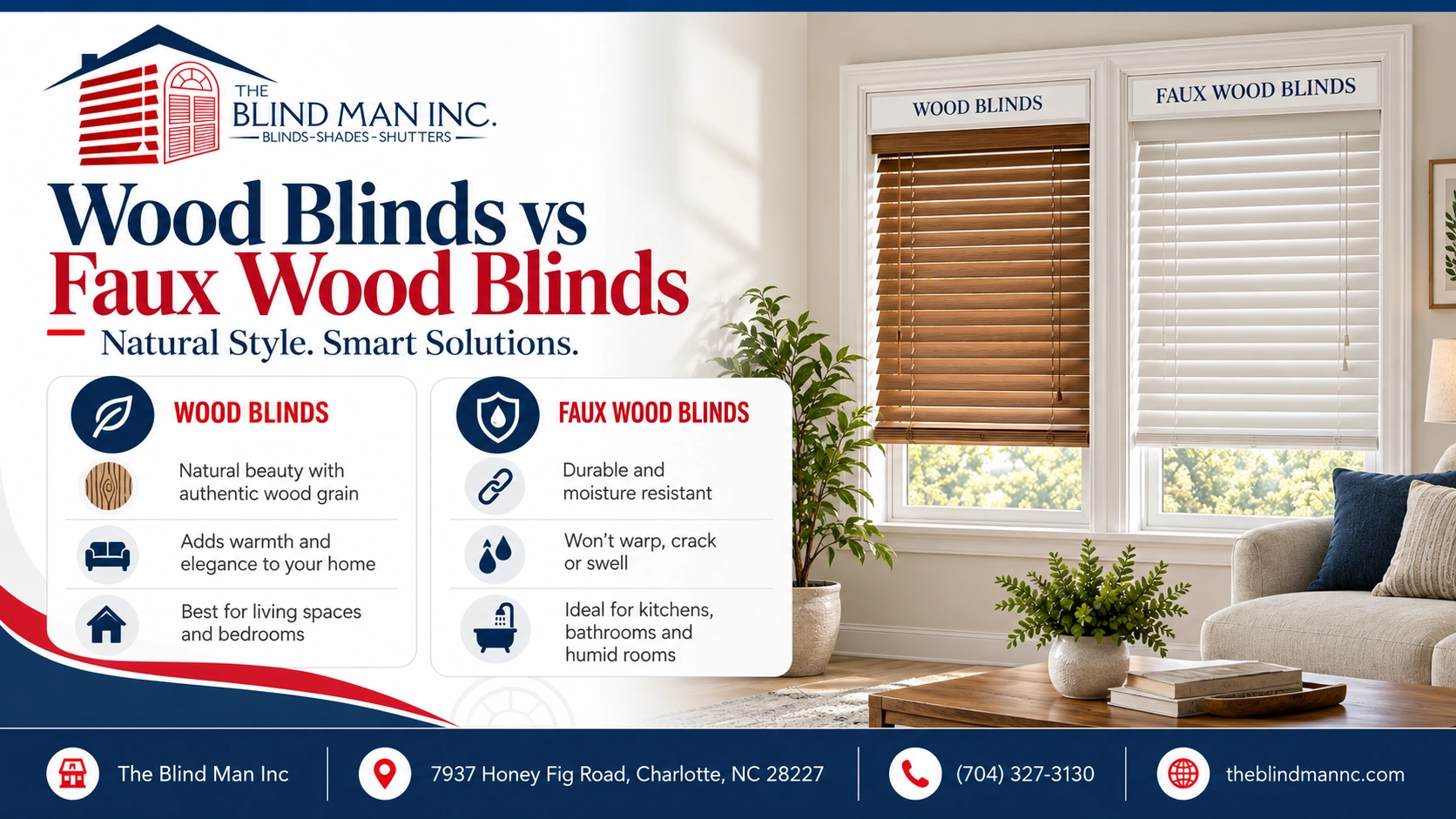
Blinds provide adjustable light control and privacy, but gaps between slats may allow more airflow and temperature transfer compared to tightly fitted cellular shades.
Drapery and Curtains
Heavy drapes can help reduce drafts and block sunlight, especially when layered properly. However, their effectiveness depends on fabric thickness, coverage, and how closely they fit around the window.
Shutters
Interior shutters provide durability and timeless style. They can help reduce light and improve privacy, though insulation performance may vary depending on design and installation.
Every home has different priorities. Some homeowners focus primarily on appearance, while others prioritize light control, privacy, or indoor comfort. Cellular shades are often appealing because they balance several of these goals at once.
Rather than viewing one option as universally better, it is more helpful to consider which features matter most for a particular room and lifestyle.
Are Cellular Shades Worth It?
For many homeowners, cellular shades can be a worthwhile addition when comfort and energy efficiency are priorities. Their insulating design may help reduce heat transfer at windows, improve temperature consistency, and support a more comfortable indoor environment throughout the year.
They can be especially useful in rooms with direct sun exposure, large windows, or noticeable seasonal temperature changes. At the same time, factors like shade fit, fabric selection, climate conditions, and existing window quality all influence overall performance.
While cellular shades are not a cure-all for energy loss, they can play an important role in a broader home comfort strategy. Many homeowners also appreciate that they provide privacy, light control, and a clean appearance without making rooms feel heavy or closed off.
If you are exploring ways to improve comfort and reduce unwanted heat transfer near your windows, cellular shades may be worth considering as part of your overall window treatment plan.
At The Blind Man, we help homeowners choose window treatments that fit their style, comfort goals, and everyday needs. Whether you are comparing shade options or looking for ways to make rooms feel more comfortable, our team can help you find the right fit for your home.
Share this article
Latest articles

September 21, 2026

September 21, 2026
September 21, 2026