
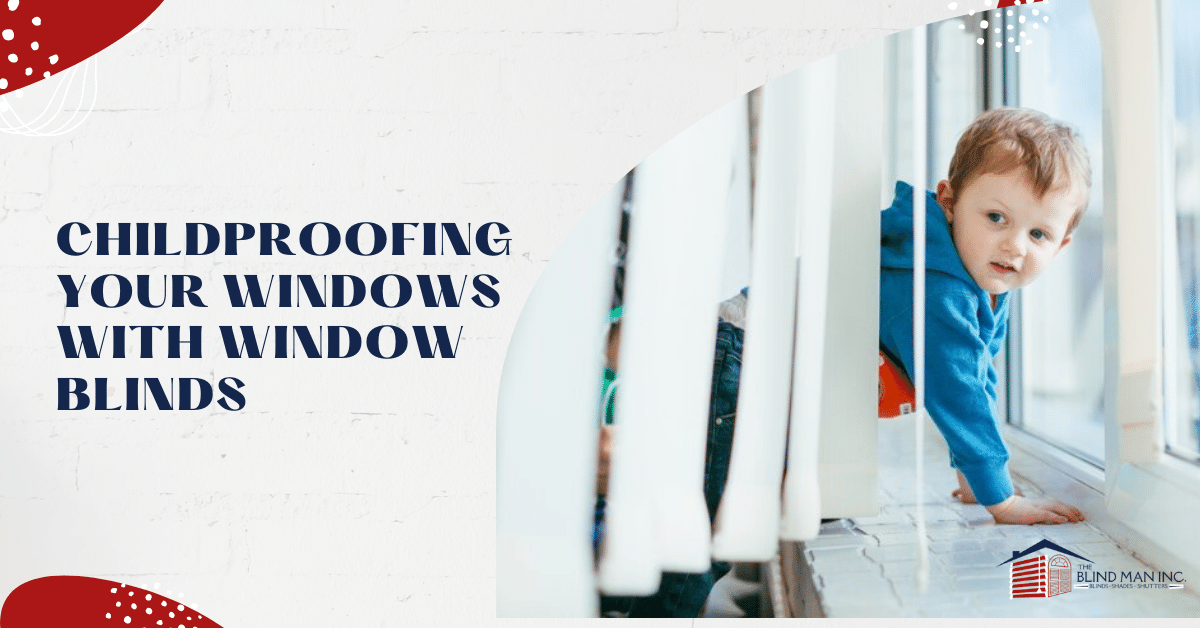
With kids around, it’s so important to ensure your home is childproofed to keep little ones safe from potential dangers. But some say the windows may be one of the trickiest areas to tackle, with too many cords and openings that tiny hands can get into. If you’ve ever felt overwhelmed trying to figure out how to securely cover your windows while still letting in natural light, you’re definitely not alone.
What to Know About Window Childproofing
Childproofing your windows with window blinds is a crucial stage in safeguarding your children at home. According to the Consumer Product Safety Commission’s window covering safety guidelines, window blinds with accessible operating cords pose a serious hazard to children. Replacing corded blinds with cordless or inaccessible cord systems is strongly recommended to prevent accidents.
In addition to replacing blinds, you can take other childproofing measures:
- Cord cleats
- Loop anchors
- Wraps and wind-ups
- Safety tassels
These are inexpensive accessories that can be easily installed to secure blind cords and prevent children from getting tangled.
It’s crucial to prioritize safety while maintaining comfort and style. Exploring childproofing window treatment solutions can help you find safer alternatives tailored to your home.
How to Childproof Window Blinds
Childproofing window blinds is essential to prevent accidents and create a safer environment for your children. Here are practical steps to follow:
- Choose Cordless Blinds
Replace corded blinds with cordless options to eliminate entanglement risks. - Install Cord Cleats
Mount them high on the wall to keep cords out of reach. - Use Cord Shorteners
Reduce excess cord length to minimize hazards. - Add Safety Tassels
Prevent loop formation that could pose a strangulation risk. - Install Window Cord Stops
Limit cord movement and accessibility. - Supervise and Educate
Teach children not to play with window coverings. - Consult Professionals
A professional can recommend the safest setup for your home through custom window treatments.
Taking these steps allows you to enjoy both functionality and peace of mind.
Are Cordless Blinds Safer for Kids?
Cordless blinds are widely considered the safest option for homes with children. Traditional corded blinds can pose serious risks, including entanglement and strangulation.
Cordless options eliminate this hazard entirely and come in several styles:
- Cordless spring-loaded blinds
- Motorized blinds operated by remote or app
- Cellular (honeycomb) shades with push-pull operation
If you’re considering automation, it’s worth reviewing this complete guide to motorized blinds pricing to better understand your options.
Can Childproofing Blinds Prevent Accidents?
Yes, properly childproofed blinds can significantly reduce the risk of accidents. Blinds with cords are one of the most common household hazards for young children.
To improve safety:
- Use cord shorteners to keep cords out of reach
- Switch to cordless blinds whenever possible
- Secure cords with tie-up devices or cleats
- Avoid blinds with continuous loop cords unless they include safety mechanisms
If privacy is also a concern, you can explore privacy-focused window treatment options that balance safety with comfort.
What’s the Cost of Childproof Window Treatments?
The cost of childproof window treatments varies depending on several factors:
- Type of window treatment
- Number and size of windows
- Safety features selected
Here’s a general breakdown:
- Cordless Blinds or Shades: $30 – $50 per unit
- Safety Devices (cleats, shorteners): $10 – $25 each
- Professional Installation: $25 – $100 per panel
While budget matters, investing in safer window coverings is worth it for long-term peace of mind. For more insights on pricing and options, you can also check out how much window blinds typically cost.
Are There Safety Regulations for Window Blinds?
Yes, strict safety regulations exist to protect children from hazards associated with window coverings.
Key guidelines include:
- WCMA Safety Standards requiring built-in safety features
- Cord length limitations to prevent dangerous loops
- Mandatory warning labels on products
- Industry shift toward cordless designs
These regulations ensure that modern window treatments are safer than ever before.
Creating a Safer Home with the Right Window Treatments
Childproofing your windows is not just about compliance, it’s about creating a safe, comfortable space where your family can thrive. By choosing cordless systems, securing existing cords, and working with experienced professionals, you can significantly reduce risks while maintaining style and functionality.
Share this article
Latest articles

October 4, 2026

October 4, 2026

October 4, 2026