When you walk into a high-end home, you notice the details. The trim is precise. The floors are flawless. The lighting feels intentional. Nothing looks accidental.
And then there are the windows.
In luxury interiors, window treatments are not an afterthought. They frame the room, control the light, and quietly influence the overall aesthetic. Which is why homeowners often ask the big question:
Wood or composite?
Let’s break it down in a way that actually helps you decide.
First Impressions Matter
In upscale homes, blinds are part of the design language. They’re not just there to block sunlight. They contribute to texture, warmth, and architectural balance.
So naturally, people ask: Are wood blinds or composite blinds better for luxury home interiors?
The honest answer? It depends on what kind of luxury you’re aiming for.
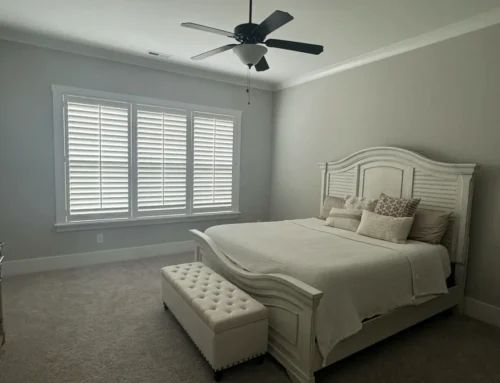
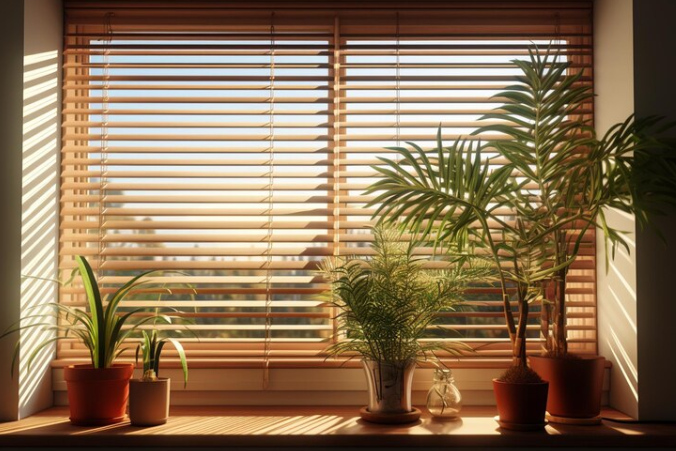
Wood blinds offer authentic warmth. The grain, the depth, the subtle variations in tone — they create a natural richness that’s hard to replicate.
Composite blinds, on the other hand, are engineered to look refined and consistent. They often mimic real wood beautifully but bring added durability to the table.
Both can work in luxury homes. The difference lies in performance, maintenance, and environment.
What are the Main Differences Between Wood Blinds and Composite Blinds in High-End Homes?
If you’re comparing them side by side, here’s what really separates them:
Wood Blinds:
- Made from genuine hardwood
- Lightweight but strong
- Natural grain and texture
- Can be stained in custom finishes
- Slightly more sensitive to moisture
Composite Blinds:
- Made from engineered materials like PVC or wood blends
- More resistant to humidity
- Uniform appearance
- Often slightly heavier
- Lower maintenance in high-moisture areas
In high-end homes, these differences matter.
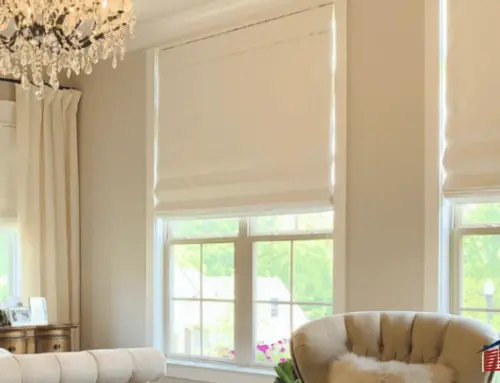
For example, in a formal living room with tall ceilings and custom millwork, wood blinds often complement the natural design elements beautifully.
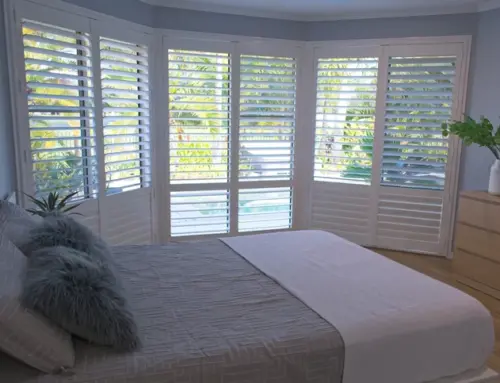
In kitchens, bathrooms, or coastal properties, composite blinds may be the smarter choice due to their resistance to warping.
Do Wood Blinds Increase Home Value More Than Composite Blinds?
Here’s the reality.
Buyers respond to quality. Real wood is often associated with premium finishes, much like hardwood flooring versus laminate. It signals craftsmanship.
In certain luxury markets, especially where natural materials are highly valued, wood blinds can enhance perceived home value. They feel intentional and high-end.
That said, composite blinds that are well-installed and match the home’s aesthetic will not hurt value. In fact, in humid climates, they may even be viewed as a smart upgrade because they last longer without damage.
Value is about fit. The right material in the right room makes the bigger impact.
Which Lasts Longer in High-End Homes Wood Blinds or Composite Blinds?
Durability is a practical concern, even in luxury spaces.
Composite blinds generally have the edge in terms of moisture resistance and long-term durability in challenging environments.
They are less likely to:
- Warp
- Crack
- Fade from humidity
Wood blinds, however, hold up extremely well in climate-controlled interiors. In living rooms, bedrooms, and offices with stable temperatures, high-quality hardwood blinds can last for decades.
The key factor is placement.
If you’re installing blinds near a pool area, in a spa-like bathroom, or in a humid coastal home, composite may win. In a grand dining room or executive study, wood may offer both longevity and elegance.
The Aesthetic Factor: Feel vs. Function
Luxury is emotional. It’s about how a space feels when you walk in.
Wood blinds bring:
- Depth
- Organic warmth
- A handcrafted appearance
Composite blinds bring:
- Clean uniformity
- Modern practicality
- Reliable performance
If you love the authenticity of natural materials and want that subtle texture that changes with the light, wood often feels special.
If you prefer consistency, durability, and minimal maintenance, composite might be your best friend.
There’s no wrong choice. Only the right fit for your lifestyle.
Maintenance and Lifestyle Considerations
Be honest with yourself.
Do you want something you’ll occasionally polish and protect? Or something you can wipe down and move on?
Wood blinds may require:
- Gentle cleaning
- Avoiding excessive moisture
- Occasional refinishing in long-term ownership
Composite blinds typically need:
- Simple wipe-down cleaning
- Minimal concern about humidity
- Less long-term upkeep
Luxury doesn’t have to mean high maintenance. It can mean smart maintenance.
So, What Should You Choose?
If you’re designing or upgrading a high-end home, here’s a practical way to decide:
- Choose wood blinds for formal areas, statement rooms, and spaces where natural finishes shine.
- Choose composite blinds for kitchens, bathrooms, laundry rooms, and coastal homes.
- Consider mixing both strategically throughout the house.
High-end design is about thoughtful decisions, not one-size-fits-all rules.
Final Thoughts
At the end of the day, both wood and composite blinds can look stunning in a luxury home. The difference lies in how they perform in your specific environment and how they align with your aesthetic priorities.
If you’re unsure which direction to go, that’s where we come in. At The Blind Man, we work with homeowners every day to find that perfect balance between elegance and practicality. We’ll walk you through the options, show you real samples, and help you choose blinds that don’t just look beautiful — but make sense for how you live.
Because in a high-end home, every detail deserves the right decision.