
How Much Do Motorized Blinds Cost in 2026?
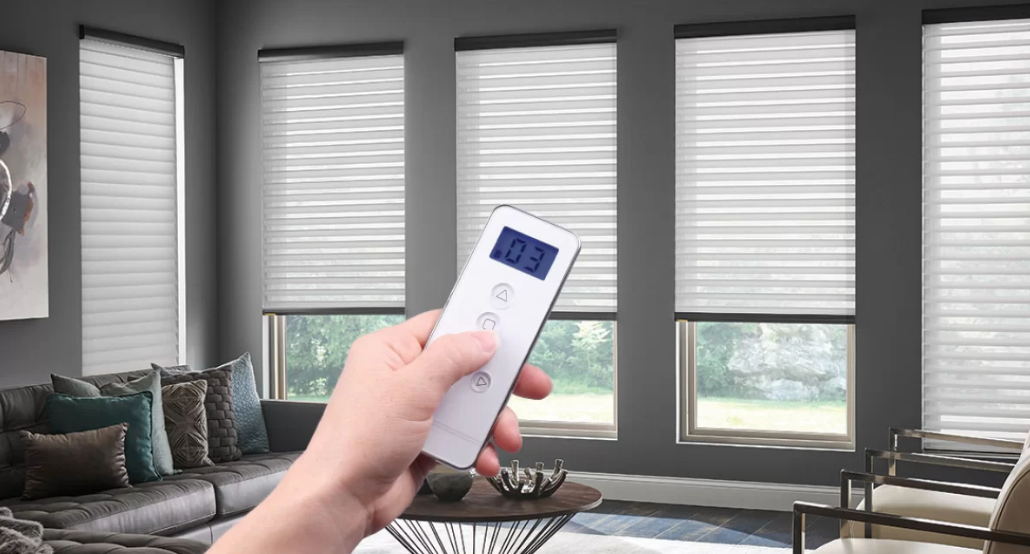
Motorized blinds are quickly becoming one of the most popular upgrades in modern homes. These smart window treatments allow homeowners to control blinds with a remote, smartphone app, or voice assistant. Beyond convenience, motorized blinds can improve energy efficiency, enhance privacy, and add a sleek, modern look to any space.
But one of the most common questions homeowners ask is simple: how much do motorized blinds cost? The answer depends on several factors, including the type of blinds, window size, motor quality, and smart automation features.
In this guide, we’ll break down the average cost of motorized blinds in 2025, explore the factors that affect pricing, and help you decide whether they’re worth the investment.
Average Cost of Motorized Blinds in 2025
Motorized blinds typically cost between $150 and $1,200 per window depending on the type of blind and its features. Entry-level models with basic remote control functionality are usually on the lower end of the price range. Premium smart blinds that integrate with voice assistants and advanced home automation systems can cost significantly more.
Typical Price Range per Window
Here is a general overview of what homeowners can expect to pay for motorized blinds:
-
Basic motorized roller shades: $150 – $250
-
Motorized zebra blinds: $190 – $300
-
Motorized Venetian blinds: $160 – $280
-
Cellular (honeycomb) motorized blinds: $180 – $350
-
Roman motorized shades: $170 – $300
-
Outdoor motorized blinds: $250 – $450
-
Woven wood motorized blinds: $229 – $300
These prices typically include the motorized system but may not include installation or advanced smart automation features. According to the U.S. Department of Energy, smart window attachments can also provide significant long-term savings by reducing seasonal heating and cooling loss.
Installation Cost
Professional installation generally costs $50 to $200 per window, depending on the complexity of the project. Factors that affect installation pricing include:
-
Hardwired power systems
-
Large or unusually shaped windows
-
Difficult-to-reach window locations
-
Smart home system integration
While some homeowners install motorized blinds themselves, professional installation ensures proper alignment and reliable functionality.
Motorized Blinds Price Breakdown by Type
Different blind styles come with different price ranges due to materials, construction, and motor requirements.
Roller Motorized Shades
Roller shades are among the most affordable motorized options. Their simple design and smooth operation make them popular for modern homes. They typically cost $150 to $250 per window and work well for bedrooms, living rooms, and offices.
Zebra Motorized Blinds
Zebra blinds use alternating layers of sheer and solid fabric to allow adjustable light control. These stylish blinds are popular in contemporary interior design. Many homeowners find that zebra shades are the choice of forward-thinking architects because they perfectly balance visibility and light filtration. Expect to pay $190 to $300 per window.
Venetian Motorized Blinds
Venetian blinds use horizontal slats that can tilt to adjust light levels. Motorized versions offer easy tilt control and full lift functionality. Pricing usually ranges from $160 to $280 per window.
Cellular (Honeycomb) Motorized Blinds
Cellular shades are known for their energy-efficient design. Their honeycomb-shaped pockets trap air, helping regulate indoor temperatures. Motorized cellular blinds typically cost $180 to $350 per window.
Roman Motorized Shades
Roman shades combine elegant fabric folds with motorized operation. They are often used in formal spaces such as dining rooms or master bedrooms. Prices typically range from $170 to $300 per window.
Outdoor Motorized Blinds
Outdoor blinds are built with durable weather-resistant materials to withstand sun, rain, and wind. These usually cost $250 to $450 per window.
Woven Wood Motorized Blinds
Woven wood blinds add natural texture and warmth to interiors. Their handcrafted materials often place them in the mid-to-high price range. Typical pricing is $229 to $300 per window.
What Factors Affect the Cost of Motorized Blinds?
Several elements influence the final price of motorized window treatments.
-
Window Size and Number of Windows: Larger windows require more material and stronger motors.
-
Blind Material and Style: Premium materials such as woven wood or blackout fabrics typically cost more than basic vinyl or polyester.
-
Motor Quality and Brand: High-quality motors provide quieter operation, a longer lifespan, and better smart home compatibility.
-
Smart Home Integration Features: Blinds that integrate with systems like Amazon Alexa or Google Assistant generally cost more than basic remote-controlled models.
-
Control Options: Whether you use handheld remotes, smartphone apps, or voice commands, the complexity of the system dictates the price.
-
Installation Complexity: Hardwired systems or blinds installed in difficult locations may increase labor costs.
Power Options for Motorized Blinds
Motorized blinds operate using different power systems:
-
Battery-Powered: Easy to install and do not require outlets, but batteries need replacement every 6–12 months.
-
Plug-In Electric: Provides consistent power and eliminates battery replacement, but requires a nearby outlet.
-
Solar-Powered: Uses small solar panels to recharge batteries automatically. These are eco-friendly but require adequate sunlight.
-
Hardwired: Connects directly to a home’s electrical system, commonly used in new construction.
Ongoing Costs and Maintenance
While motorized blinds require minimal upkeep, there are some long-term costs to consider. Battery replacement for non-rechargeable systems occurs every 6 to 12 months. Quality motors often last 5 to 10 years, though occasional servicing may be needed. Additionally, fabric blinds may occasionally require professional cleaning, especially in hard-to-reach areas.
Benefits of Motorized Window Treatments
Motorized blinds provide several advantages over traditional manual blinds:
-
Convenience and Accessibility: Open or close blinds instantly via remote or voice command.
-
Smart Home Automation: Schedule blinds to open and close at specific times.
-
Energy Efficiency: Reduce heating and cooling costs by blocking sunlight during peak hours.
-
Child and Pet Safety: By eliminating dangling cords, these are much safer for growing families. For more on this, view our dedicated guide on childproofing your home.
-
Increased Home Value: Smart upgrades increase property appeal to modern buyers.
Are Motorized Blinds Worth the Investment?
For many homeowners, the answer is yes. Motorized blinds provide a level of convenience and functionality that traditional blinds cannot match. If you are curious about the specific numbers, check out our complete pricing guide for motorized blinds in 2026 to see how the market is shifting.
Frequently Asked Questions
How much do motorized blinds cost per window? Motorized blinds typically cost $150 to $1,200 per window, depending on blind type, motor quality, and automation features.
Are motorized blinds worth the money? Yes, many homeowners find them worthwhile due to their convenience, smart home compatibility, and potential energy savings.
How long do motorized blinds last? Most motors last 5 to 10 years, especially when using high-quality systems from reputable brands.
Do motorized blinds need electricity? Yes, they require power from batteries, plug-in outlets, solar panels, or hardwired electrical systems.
Can motorized blinds be controlled with a phone? Yes. Many models connect to mobile apps, allowing users to control blinds from smartphones or tablets.
Are motorized blinds difficult to install? Basic models can be installed by homeowners, but professional installation is recommended for complex or hardwired systems.
Motorized blinds are no longer considered a luxury reserved for high-end homes. With prices becoming more accessible, many homeowners are upgrading their window treatments to enjoy the convenience of smart automation. Whether you choose basic remote-controlled shades or fully integrated smart blinds, motorized window treatments offer a combination of comfort, energy efficiency, and modern design that makes them a worthwhile investment for many households.
Share this article
Latest articles
September 16, 2026
September 16, 2026
September 16, 2026